

Vincent van Gogh's self-portraits are among the most profound and insightful elements of his artistic oeuvre, offering a window into his evolving style and his turbulent psychological state. Over the course of his brief but intense career, van Gogh painted more than 30 self-portraits, each reflecting different stages of his life and varying degrees of emotional intensity. These portraits are not merely representations of his physical appearance but are also explorations of his inner self, providing a visual diary of his mental and emotional struggles.
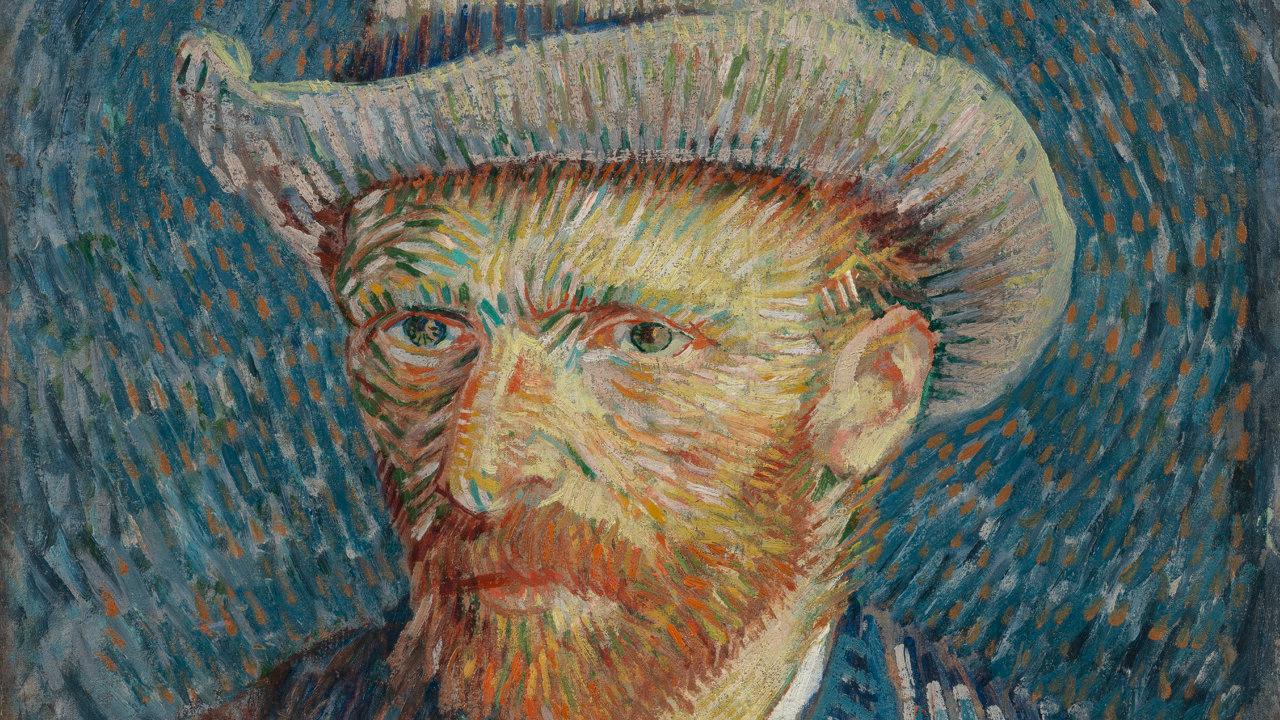
Van Gogh's self-portraiture began in earnest during his time in Paris from 1886 to 1888, where he was influenced by the work of the Impressionists and Neo-Impressionists. His early self-portraits from this period, such as "Self-Portrait with Grey Felt Hat" (1887), demonstrate his experimentation with color and brushstroke, as well as his growing confidence as an artist. In this work, van Gogh employs the divisionist technique, using small, distinct strokes of color to create a vibrant and dynamic image. The bold use of complementary colors and the textured background are indicative of his interest in exploring new artistic methods (Encyclopedia Britannica) (vangoghgallery).
As van Gogh's time in Paris progressed, his self-portraits became increasingly introspective. The famous "Self-Portrait as a Painter" (1888) shows van Gogh in a more serious and contemplative pose, holding his palette and brushes. The portrait is marked by a somber tone and a muted color palette, reflecting his introspection and possibly the sense of isolation he felt despite being in the midst of the bustling Parisian art scene. This work also hints at the physical and mental toll that his relentless pursuit of artistic mastery was beginning to take on him (The Metropolitan Museum of Art).
Van Gogh's self-portraits took on an even more intense and emotionally charged character after he moved to Arles in 1888. One of the most iconic images from this period is the "Self-Portrait with Bandaged Ear" (1889), painted shortly after the infamous incident in which he mutilated his own ear following a confrontation with Paul Gauguin. This portrait is stark and haunting, with van Gogh depicted against a flat, monochromatic background, emphasizing his sense of isolation. The bandage covering his ear serves as a powerful symbol of his physical and psychological suffering, while his determined expression suggests a complex mix of defiance and vulnerability (World History Encyclopedia) (Encyclopedia Britannica).
In his final year, during his stay at the asylum in Saint-Rémy-de-Provence, van Gogh continued to explore self-portraiture as a means of grappling with his identity and mental state. The "Self-Portrait with Palette" (1889), for example, is one of his last self-portraits and showcases a return to a more expressive style, with swirling brushstrokes and vivid colors that convey a sense of inner turmoil. The portrait is both a testament to his enduring dedication to his craft and a poignant reflection of his ongoing struggle with mental illness (The Metropolitan Museum of Art) (vangoghgallery).
Vincent van Gogh's self-portraits are more than mere likenesses; they are deeply personal works that offer insight into his psyche and the evolution of his artistic vision. Each portrait captures a moment in time, not just of his external appearance but of his inner life, making them some of the most compelling and studied works in art history. These portraits stand as a powerful reminder of van Gogh's relentless pursuit of self-understanding and artistic expression, even in the face of profound personal challenges.